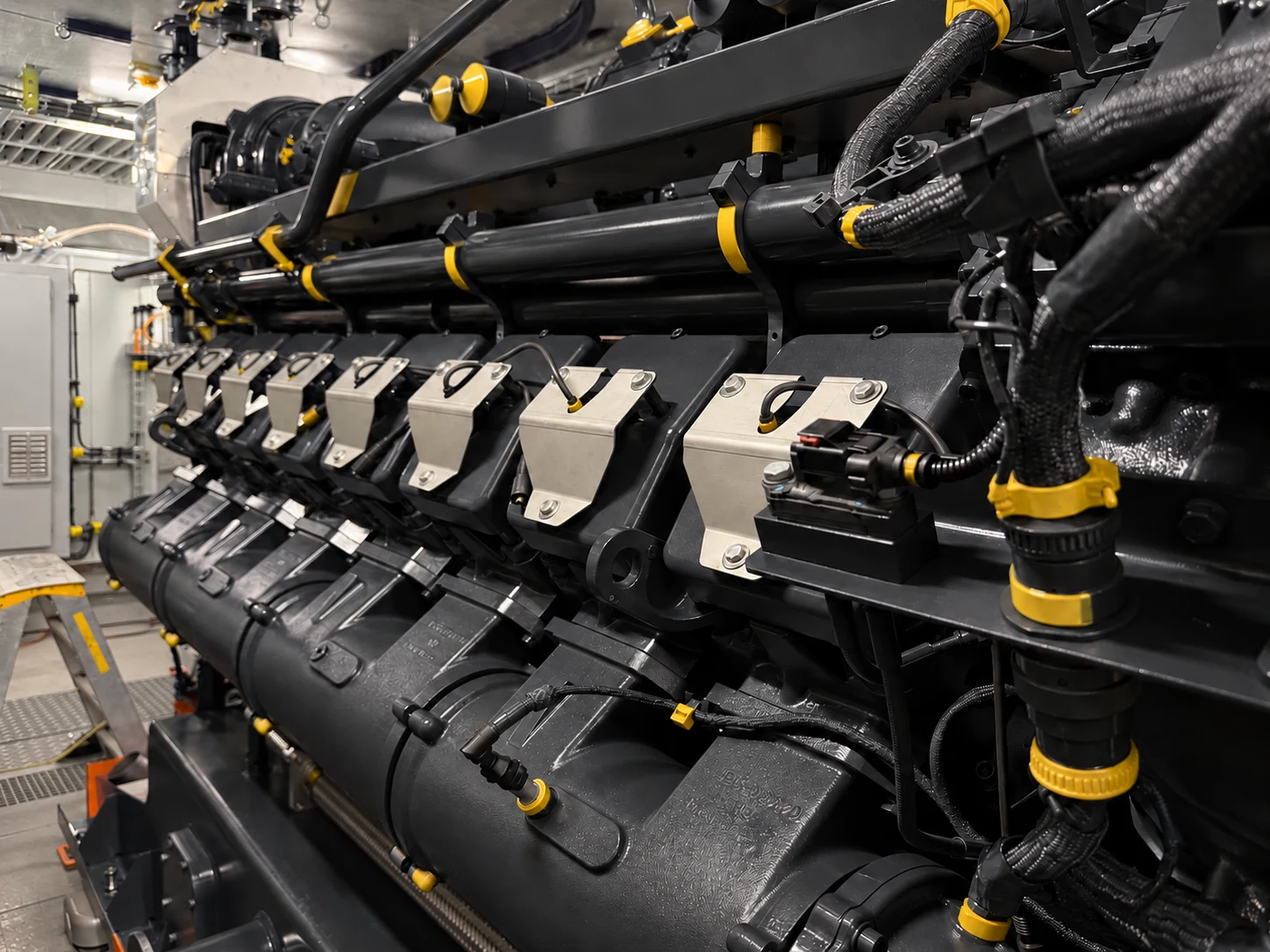
A CHP project is more than an engine arriving on a lorry. It is a working energy system: generation, heat recovery, controls and connections that fit the site. Packaging equipment before delivery can help organise that work, but it does not make the site engineering disappear.
Start with the energy the site needs
CHP generates electricity and recovers heat for useful work. The opportunity depends on matching both outputs to demand. A large electricity bill alone does not tell you which system to choose; the operating hours and useful heat requirement matter too. Government CHP guidance explains the principle.
Before comparing packages, put together a practical brief: the production schedule, available space, access restrictions and the processes that need heat. Include planned changes to the business. Our CHP technology overview explains the components; the brief establishes what they need to deliver.
Factory testing is one stage of delivery
The government's project-development guide says factory testing of small packaged CHP can reduce the time and risk of testing on site. It also makes clear that substantial checks remain before handover. These include installation and electrical checks, controls and safety tests, and performance trials. BEIS CHP project-development guide, sections 2.7–2.8.
Ask a supplier to distinguish the tests included before dispatch from those completed after installation. Request the acceptance criteria and records for your actual unit. “Factory tested” is more useful when the proposal explains what was tested, under which conditions and how any outstanding work will be closed.
The site still needs to be ready
The same guide identifies foundations, access, fuel, electricity and heat connections, flues and heat-rejection equipment as possible parts of installation. The required work depends on the project.
Put equipment delivery and site readiness on the same programme. Agree who owns each interface and which dependencies could delay commissioning. A delivery date should be accompanied by a plan for turning the delivered equipment into usable energy. Follow the survey-to-switch-on process to see the stages to discuss.
Specify support for the complete system
Our recommendation is to assess the package as a whole. Ask who supports the engine, enclosure, heat recovery and controls; what maintenance is included; and what happens when a fault crosses more than one supplier's scope. Keep those answers in the proposal alongside the equipment specification.
Bring absorption cooling into the brief if your site needs chilled water, and assess fuel use and emissions against the services the installation will actually replace. A clear scope makes different proposals easier to compare and gives the operating team a useful basis for handover.
Start with the required energy, then choose the equipment and delivery plan around it. Discuss your site's CHP requirements with Pinion.