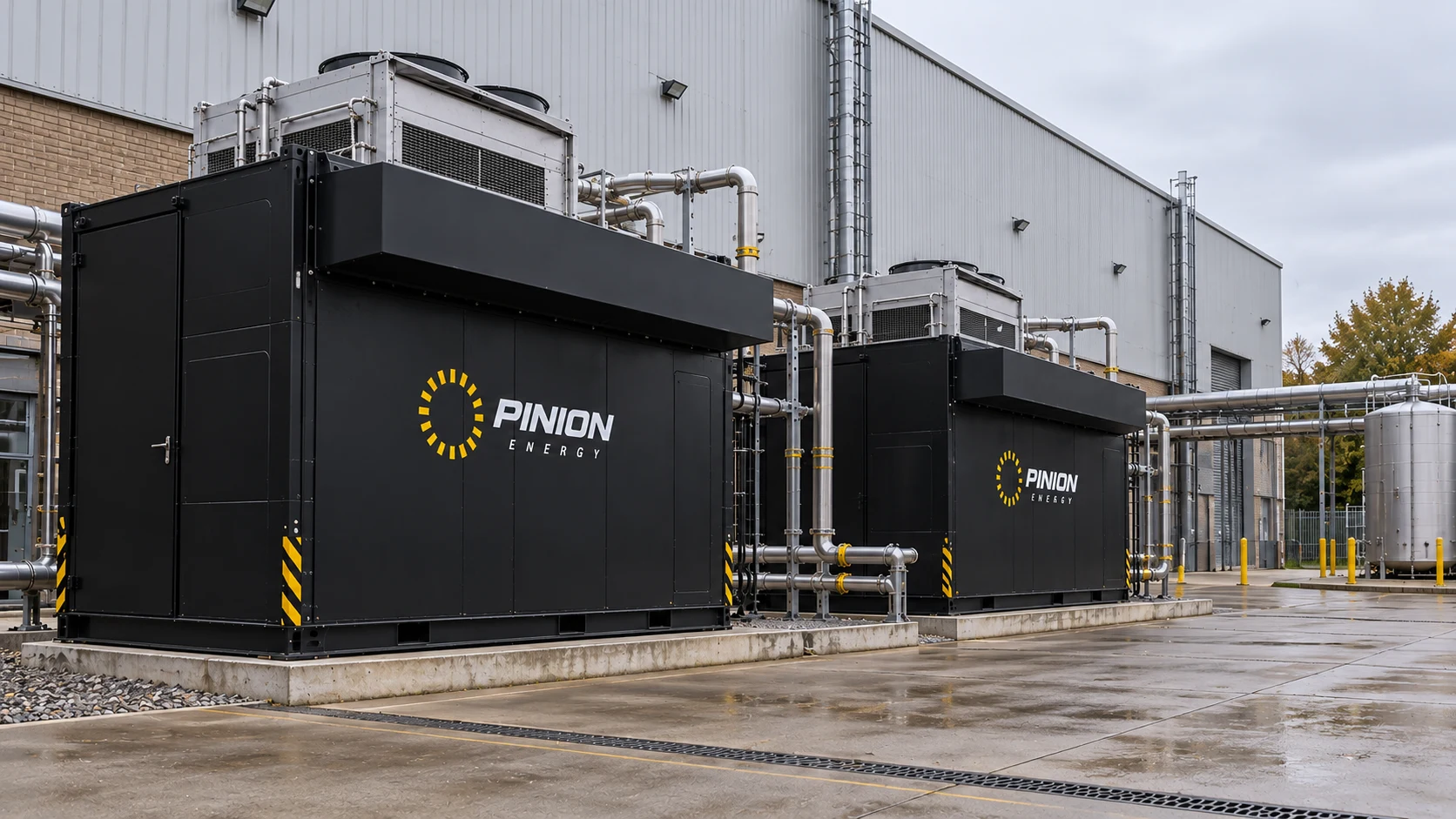
A nationwide combined heat and power programme starts with individual buildings. A common approach to design and delivery can help organise a large estate, but each location still needs a sound reason to generate electricity and recover heat on site.
For owners and operators assessing CHP across several locations, the useful starting point is demand: what each building needs, when it needs it, and how much recovered heat it can actually use. That assessment should shape the equipment, the financial case and the order in which projects proceed.
Start with useful heat, not a target site count
CHP produces electricity and makes use of heat that would otherwise be lost during generation. Its value depends on matching that recovered heat to a real requirement, such as hot water, space heating or a suitable process.
A building with a large electricity bill is not automatically a good CHP candidate. Heat demand needs to be understood alongside power demand, including daily patterns, seasonal changes and periods when the building is unoccupied. The government's CHP project-development guide places demand assessment, plant sizing and integration at the beginning of feasibility.
For an estate, this means assessing sites on comparable evidence before grouping them into a programme. Some might have steady demand throughout the year; others might need substantial heat only during winter. Those differences should influence which sites progress and how each system is sized.
The CHP technology overview provides a starting point for understanding the equipment. The next step is to establish where it fits the building's actual energy needs.
Standardise the method, then design for the site
A useful multi-site approach is to standardise the assessment and the information required, while allowing the engineering to respond to each location.
That could mean a consistent survey brief, a shared method for reviewing demand and a clear specification for handover information. It should still leave room for differences in plant space, access, existing heating systems and electrical connections. Peak and backup heat requirements also belong in the design.
Plant capacity deserves particular care. Where a site has more electrical demand than useful heat demand, the heat requirement can determine the appropriate CHP size. Generating heat that cannot be used undermines the benefit: the government's technology guide explains that rejecting excess heat wastes energy and reduces savings.
Use deployment considerations to frame the practical questions around siting and integration. Before committing to a wider programme, a sensible approach is to develop a first project, review its measured performance and apply those lessons to subsequent locations.
Build the financial case around real operation
The relevant comparison is the total cost of meeting a site's energy needs with and without CHP. A headline electricity-generation cost cannot answer that question on its own.
The assessment needs capital and installation costs, financing, fuel prices, imported electricity tariffs, expected operating hours, downtime, maintenance costs and the amount of useful heat recovered. It also needs to account for electricity still bought from the grid and any additional heat supplied by other equipment. The government's CHP finance guide sets out this comparison against an existing or alternative supply arrangement.
For a multi-site programme, use the same modelling principles across the estate, then populate them with each site's evidence. Avoid applying a saving from one building to another simply because both belong to the same operator.
Test the assumptions that could change the decision. Lower heat demand, fewer running hours or a different relationship between gas and electricity prices can alter the business case. An investment proposal should make those sensitivities visible and distinguish forecast performance from measured results.
Assess cooling as part of the whole system
Some sites need cooling as well as electricity and heat. In suitable circumstances, an absorption chiller can use recovered heat to produce chilled water, extending the uses available for CHP heat.
This arrangement, often called trigeneration, needs its own assessment. The government technology guide describes the potential to reduce electricity demand and improve heat use, while also explaining the need for pumps and heat-rejection equipment.
The question is whether the available heat, at the required temperature, matches a useful cooling demand. Equipment space, seasonal operation and the additional plant all matter. Cooling should strengthen the overall case rather than simply provide an outlet for heat that has no other use.
Explore absorption cooling alongside the building's heating and electrical requirements, so that the proposed system is assessed as a whole.
Make carbon claims specific and measurable
Energy efficiency and carbon performance need separate scrutiny. The emissions case depends on the fuel used, the useful outputs delivered and the sources of heat and electricity being displaced.
Government's CHP pathway to decarbonisation explains that increasing low-carbon electricity generation reduces the emissions savings of unabated natural-gas CHP compared with average grid electricity. A fixed carbon-saving percentage should therefore not be assumed for every site or carried unchanged through the equipment's life.
Any claim should identify its comparison, assumptions and assessment period. Keep those assumptions open to review as the building's demand and electricity supply change. The site's sustainability page introduces the wider carbon discussion; an individual project still needs its own calculation.
Commission carefully, then measure what happens
A roll-out becomes an operating programme only when systems are installed, commissioned and handed over. Factory testing does not remove the need for on-site checks: the project-development guide describes installation, control, safety and generator tests before handover.
Agree the acceptance criteria, maintenance responsibilities and monitoring arrangements early. The CHPQA monitoring guidance covers fuel input, electrical output and useful heat, with requirements that depend on the scheme. These measurements help connect the original forecast to actual operation.
For an estate, the strongest next step is a consistent feasibility brief and a defensible decision for each location. Follow how a project moves from survey to switch-on to explore the stages that turn an initial opportunity into a system ready for operation.